

The supply chain shortages have come as a shock for many American shoppers who are used to receiving a limitless range of products on their doorstep within days of purchasing them with just a click of a button.
U.S. consumers are eager to spend on the biggest retail holidays like Thanksgiving, Black Friday and Cyber Monday, but the average promotional discount did not come down as low as previous years. Stores are offering fewer deals as they grapple with low merchandise and high consumer demands.
The pandemic disrupted almost every aspect of the global supply chain, which is the manufacturing, transportation and logistics that allows goods to get from manufacturing warehouses to their destinations. In other words, the invisible pathway from a consumer’s shopping cart online to their home.
Rapid inflation has stemmed from the supply chain shortages causing prices to climb for essential goods and businesses battling to keep up with fast-rising demand. Producing and transporting goods has become more difficult as companies experience worker shortages at ports, factory shutdowns, delayed shipping and a shortage of truck drivers.
Desired shopping and specialty goods such as clothes or iPhones are becoming harder to find, according to data by Adobe Analytics, which tracks retailers’ websites. Electronics had the highest out-of-stock levels due to a global chip shortage and are expected to peak at 22% discounts, while it peaked to 27% in 2020. Clothing items will be only 15% off instead of 20% a year ago. Along with discounts on toys that will peak at 16% versus 19% last year.
However, the best choice for last-minute shoppers as the holiday season gets closer is to return to the old fashion way of in-person shopping and avoid waiting around for deliveries. Companies including Walmart, Target and Home Depot are all preparing to stock up in larger quantities early in time for the holidays. In other words, stores have more control over inventory in stores and through curbside pickup than they currently do on orders for home delivery.
“These kinds of challenges are not unique to P&G and we’re not immune to the impacts,” a spokesperson for Procter & Gamble Company stated. “The scale and momentum of our business, strong supplier partnerships globally that allow greater flexibility, and ability to optimize costs through productivity have helped the Company maintain the strength of our supply chain.”
The multinational consumer goods corporation keeps shelves stocked with some of the nation’s most prominent brands. “Our focus is on delivering value to our consumers through superior products with the best performance and making those daily-use products available wherever consumers choose to shop – whether that’s in-store or online.”
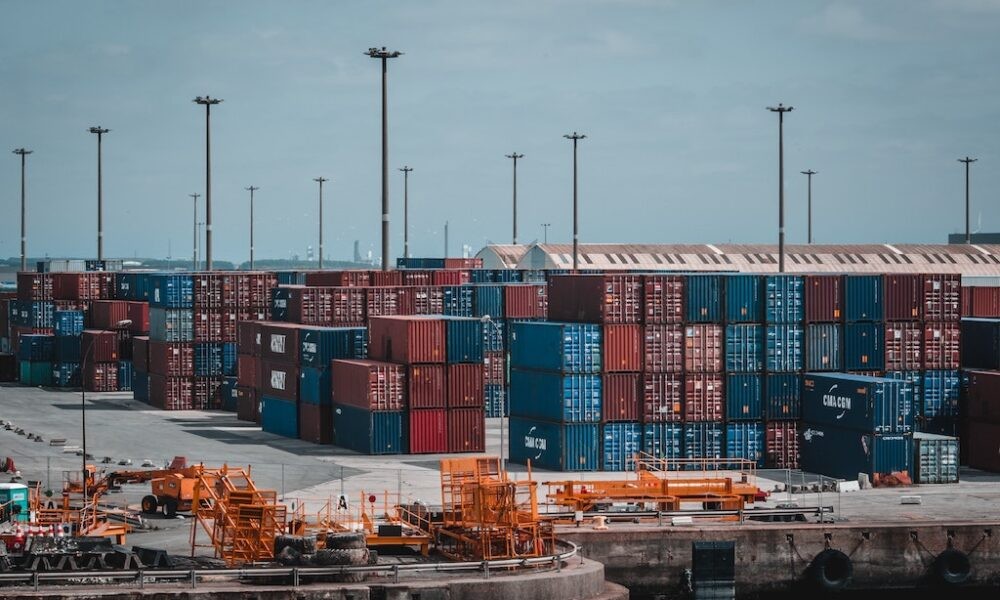
In an effort to address immediate action and decrease supply chain challenges, President Biden announced two major ports in California were moved to operate 24/7. It is estimated that about $24 billion in goods is floating outside California’s two biggest ports, continuing to worsen the already-struggling supply chain instead of accelerating the delays. The number of ships waiting to unload in Los Angeles hit a record high this month and it is taking two weeks to unload once docked.
The Biden administration also passed the $1 trillion infrastructure bill, which is the single largest federal investment in American history. The White House said that an action plan to implement the Bipartisan Infrastructure Deal, “will increase federal flexibilities for port grants; accelerate port infrastructure grant awards; announce new construction projects for coastal navigation, inland waterways, and land ports of entry; and launch the first round of expanded port infrastructure grants funded through the Bipartisan Infrastructure Deal.”
Last month, consumer prices skyrocketed more than expected due to inflation, along with a rapid price increase in rent, food and furniture cost. Consumers are paying for everyday items like meat, eggs and gasoline. All while trying to afford jumping rent that stemmed from overall inflation from the pandemic.
President Biden announced the release of 50 million barrels of oil from a US reserve to bring gas prices back down — which are surpassing $3 a gallon for the first time in more than half a decade. These soaring prices can also result in higher costs for transportation and heating bills this upcoming winter.
Data from the Bureau of Labor Statistics showed that consumer price inflation climbed by 5.4% this year through September, much higher than compared to the prior year at around 2%. As a result, approval ratings could be troubling for President Biden, as the White House and Federal Reserve are pressured to find ways to stabilize prices once again.
Delays will remain inevitable as nearly every U.S. port is facing backlogs, closures, and shortages of shipping containers. The problem extends beyond the U.S. with slowed production and loaded ships coming from other ports around the world facing delays while trying to enter the country.
Economists forecast the disruptions affecting global commerce will worsen as the end of the year approaches. Officials have warned that supply chain issues could last through the first half of 2022.
A large number are flocking to the Eat News for quality news every day, and readers in Taiwan, United States, United Kingdom, India, Japan, France, Pakistan, China, Malaysia and more, now support us financially.
In these chaotic, perilous times, an independent, truth-seeking news organisation like the Eat News is essential. We believe everyone deserves access to trustworthy information. That’s why we choose to keep our reporting open for all readers, regardless of where they live or what they can afford to pay.
The Eat News has no shareholders or billionaire owner, meaning our journalism is free from influence and vested interests – this makes us different. Our editorial independence and autonomy allows us to provide fearless investigations and analysis of those with political and commercial power. We can give a voice to the oppressed and neglected, and help bring about a brighter, fairer future.
If there were ever a time to join us, it is now. You have the power to support us through these volatile economic times and enable our journalism to reach more people, in all countries.
Every contribution, however big or small, makes a difference. Support the Eat News for better reporting.
Support the Eat News ➔


