

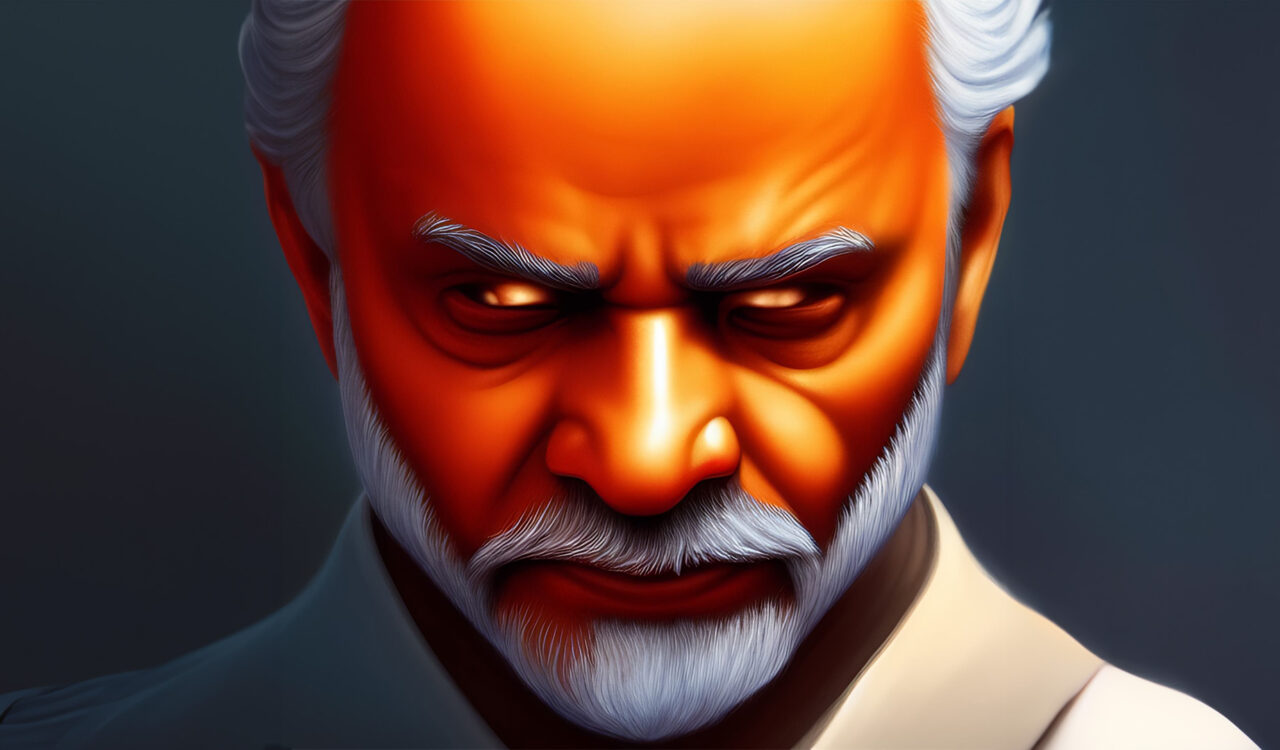
There is a possibility that Indian administration might introduce UCC in the upcoming monsoon session of parliament. The bill is proposed by Bhartiya Janta party (BJP) and is in favour of its implementation. If it gets introduced, it will likely get referred to the standing committee of parliament that will further provide a platform for stakeholders to present their opinion over the matter. Uniform Civil Code upholds equal rights for all the citizens.
Prime Minister Narendra Modi has emphasized the significance of UCC and equality. ‘You tell me in a home, how can there be one law for one member and another law for another member? Will that home be able to function? Then how will the country be able to function with such a dual system? We have to remember that even in India’s constitution, there is a mention of equal rights for all’, he said. Since India is a home to various religions and is known for its diversified culture, each community has its personal law based on their respective religious texts. For instance, Hindus follow Hindu marriage act, 1955 and practice the mentioned law whereas Muslims follow Muslim Personal Law (Shariat) Application Act, 1937. This proposal in India ensures that all the citizens irrespective of their religion, gender or sexual orientation have to follow a set of rules.
Opposition parties are calling out the new bill. Parties like Congress, RJD, SP, CPI, JD(U), CPI(M), Trinamool congress are accusing Modi for using UCC as a tactic in upcoming general elections. They are criticising current administration’s proposal and said that BJP will impose Hindu majoritarianism on the country with this. They believe this will violate freedom of religion and is quite unnecessary as the current system is working well under personal laws. However, Aam Aadmi Party (AAP) supported the bill but only after considering suggestions after a wide discussion and consultation with all the stakeholders.
Saba recently finished her graduation and aims to work for her community. She is 25 years old and practice Islam. Being a part of college committee, she has worked with college authorities directly and is familiar with how a hierarchy works in drafting and implementing a law. She said, ‘With a little experience I gathered in my college days, I understood that a rule requires to pass every hurdle before being implemented. So, the UCC bill that current administration is ready to bring, will go through lot of stages before a final decision. Personally, I am not in favour of this, but still, I want to wait and not act aggressively before even it comes out.’
Muslim societies allow up to four wives but with certain rules and regulations while Hindus, Parsis and Catholics have their own rules. Similarly, there are other subjects such as divorce, adoption, inheritance and maintenance which are handled by personal laws of these communities. According to Saba, every religion has its rules and way of dealing issues governed by personal set of rules. Interfering will affect the personal law system and will damage the existence of religions. ‘It sounds unrequired to me. Every religion is handling their law system confidently and with no dispute. We have not heard a single news of disturbance created through this pattern of work. Then why suddenly we are asking for it? Each religion has its own regulation based on our sacred texts. Uniform set of rules will be a torture for people whose religion doesn’t allow any one of them. We live in a democratic country where freedom of religion is a privilege we enjoy. UCC will be a forced set of rules, if applied’, she said.
Primary argument against UCC states, ‘one nation, one law’ cannot be applied to the unique personal laws of different communities if codified civil laws and criminal laws like the CrPC and IPC do not adhere to this principle. Does UCC will impose Hinduized code to all other communities? In Saba’s opinion, there is definite possibility of Hindu dominant civil code. She told EAT news, ‘India is a Hindu majority country with maximum people practicing Hindu religion. In this case, drafting a civil code around the comfort of particular religion is of a high probability. But neglecting other communities is unfair. We are known for harmony even with diverse religion and culture, administration should stick to it.’
According to a group of political experts, the code will complicate regulations governing marriage ceremonies, successions, inheritance for communities while other group claim the code will make regulations simpler and more universal and everyone will fall under same civil law. 2024 elections in India are expected to include general elections, elections to the Rajya Sabha, state legislative assemblies, Panchayats and urban local bodies. BJP with UCC is certainly targeting large number of voters in country as the sudden proposal of the bill is raising speculations.
A large number are flocking to the Eat News for quality news every day, and readers in Taiwan, United States, United Kingdom, India, Japan, France, Pakistan, China, Malaysia and more, now support us financially.
In these chaotic, perilous times, an independent, truth-seeking news organisation like the Eat News is essential. We believe everyone deserves access to trustworthy information. That’s why we choose to keep our reporting open for all readers, regardless of where they live or what they can afford to pay.
The Eat News has no shareholders or billionaire owner, meaning our journalism is free from influence and vested interests – this makes us different. Our editorial independence and autonomy allows us to provide fearless investigations and analysis of those with political and commercial power. We can give a voice to the oppressed and neglected, and help bring about a brighter, fairer future.
If there were ever a time to join us, it is now. You have the power to support us through these volatile economic times and enable our journalism to reach more people, in all countries.
Every contribution, however big or small, makes a difference. Support the Eat News for better reporting.
Support the Eat News ➔


