

Editors‘ Note:
This article was compiled and written by OpenAI’s ChatGPT Plus and reviewed by the human editors of Eat News.
78 years ago today, on August 15, 1945, Japan announced its unconditional surrender, officially marking the end of World War II. In the context of World War II, was Taiwan a victorious nation or a defeated one?
World War II, a global conflict that spanned from 1939 to 1945, saw nations across the world taking sides, either with the Allies or the Axis powers. Taiwan, an island off the southeastern coast of China, played a unique role in this war. To understand whether Taiwan was on the winning or losing side, we must delve into its historical context during this period.
1. The Japanese Occupation
Before we discuss Taiwan’s position in World War II, it’s essential to understand its status leading up to the war. In 1895, following the First Sino-Japanese War, the Qing Dynasty of China ceded Taiwan to Japan under the Treaty of Shimonoseki. Thus, by the time World War II began, Taiwan had been under Japanese rule for over four decades.Under Japanese governance, Taiwan underwent significant modernization. Infrastructure, education, and industry saw marked improvements. However, this came at the cost of cultural assimilation, with efforts made to suppress Taiwanese identity and promote Japanese culture and language.
2. Taiwan’s Role in the War
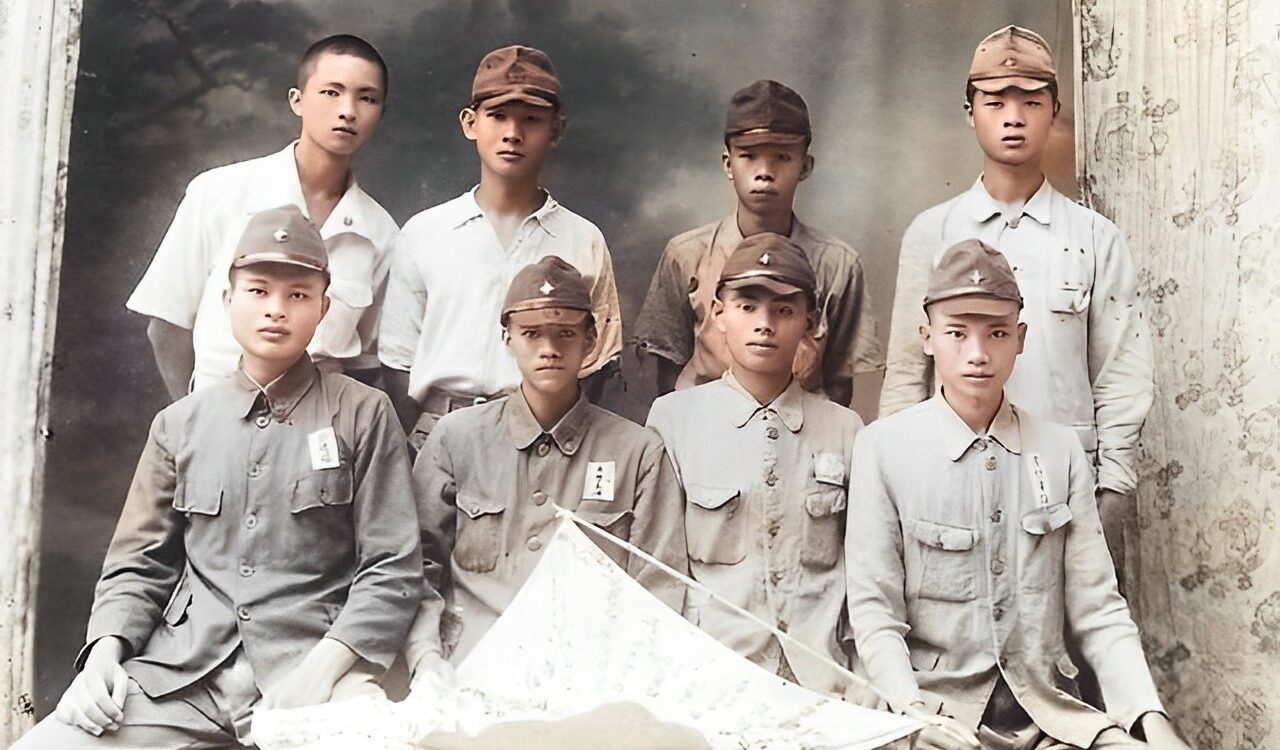
As a colony of Japan, Taiwan was, by default, on the side of the Axis powers when the war began. The island became a crucial supply base for the Japanese military, providing resources, labor, and even soldiers. Many Taiwanese were conscripted into the Japanese army and served in various theaters of the war.However, it’s essential to note that while the Japanese government and military were active participants in the Axis war effort, the general Taiwanese populace had little say in these matters. Their allegiance was more a matter of circumstance than choice.
3. Taiwan’s colonial ruler transitioned from Japan to the Republic of China
As the war progressed, the Allies began gaining momentum. By 1944, they were launching air raids on Taiwan, targeting its industrial facilities and infrastructure. The island’s strategic importance made it a prime target for Allied forces.In 1945, following the dropping of atomic bombs on Hiroshima and Nagasaki and the subsequent surrender of Japan, Taiwan’s fate took another turn. The Republic of China, under the leadership of Chiang Kai-shek and as one of the Allied powers, took over the administration of Taiwan. This event marked the end of 50 years of Japanese rule on the island.
4. Conclusion: Was Taiwan on the Winning or Losing Side?
Technically, as a colony of Japan, Taiwan started the war on the side of the Axis powers. However, by the war’s end, it was under the administration of an Allied nation. So, in a twist of fate, Taiwan transitioned from the losing side to the winning side by the war’s conclusion.However, it’s crucial to understand that for the people of Taiwan, World War II was less about winning or losing and more about identity, survival, and the hope for a better future. The war brought both hardships and opportunities, and its aftermath set the stage for Taiwan’s journey in the latter half of the 20th century.In the grand tapestry of World War II, Taiwan’s story serves as a poignant reminder that the lines between winners and losers are often blurred, and the human experience transcends such simple categorizations.
A large number are flocking to the Eat News for quality news every day, and readers in Taiwan, United States, United Kingdom, India, Japan, France, Pakistan, China, Malaysia and more, now support us financially.
In these chaotic, perilous times, an independent, truth-seeking news organisation like the Eat News is essential. We believe everyone deserves access to trustworthy information. That’s why we choose to keep our reporting open for all readers, regardless of where they live or what they can afford to pay.
The Eat News has no shareholders or billionaire owner, meaning our journalism is free from influence and vested interests – this makes us different. Our editorial independence and autonomy allows us to provide fearless investigations and analysis of those with political and commercial power. We can give a voice to the oppressed and neglected, and help bring about a brighter, fairer future.
If there were ever a time to join us, it is now. You have the power to support us through these volatile economic times and enable our journalism to reach more people, in all countries.
Every contribution, however big or small, makes a difference. Support the Eat News for better reporting.
Support the Eat News ➔


