


Number of people complained of cough and itchy eyes in morning, after Diwali celebration. India celebrated Diwali on 4th November, one of the important festivals considered by Indians. Festival of lights, people celebrate it with sweets, gifts, lighting candles, fireworks, decorations. But due to the present situation of environmental crisis, now the ways of celebrating this festival have been slightly different. According to the information, the air quality index reached 774.69 at 3am on 5th November and an alarming situation 1645 around 1 am, in the capital, New Delhi. Considering the pollution, administration has several times recommended people to stop burning crackers, rather celebrate with other alternatives. And later, from last few years state administrations has taken steps to ban bursting of crackers for not making the condition worse.
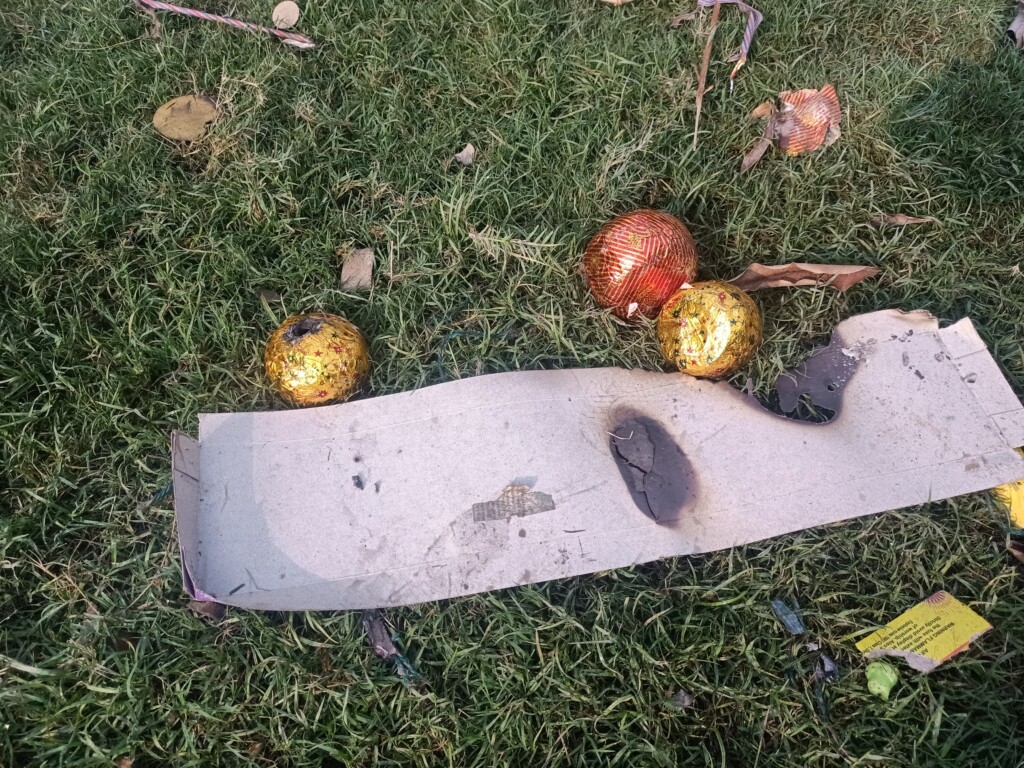
Capital, New Delhi experiences bad quality of air in winters through various factors that comes along from different neighboring states. Delhi administration taking in account the current status of surroundings has already introduced strict actions against selling and buying of fireworks. According to one of the cops, ‘We were told from the very beginning to keep a tight check on the selling of fireworks, instructed by our head. We closed five to six shops of the people that were selling fireworks secretly. But comparatively last year, the sale has gone down. Like we caught more than fifty people involved in all this, but this year it was less than half of them’. As per the experts, in last 6 years, this year is recorded as the most polluted year, throughout Diwali celebration.
As per claimed by the cop and hospitals, this year burning cases were lesser than other years. But that definitely does not point towards the less burning of crackers. Chavi is a school teacher and teach environmental studies. She shared her experience of this Diwali and said, ‘After Diwali, I realized nobody can make Indians understand about the severity of air pollution, when it is clearly visible and when it is affecting instantly.’ She further added, ‘I live in a society and before months, I along with some of my friends tried convincing people around us to not use fireworks, instead celebration can be done with lights, sweets and games. And most of them agreed with the concept, but during Diwali night, we were all covered with the bubble of smoke. And it was so distressing to look around. Even after shutting all doors and windows, we could feel it inside our throat and nose.’
When administration passed, ban on fireworks in Diwali, then why it is difficult for Indians to obey it? Chavi told EAT news, ‘Before Diwali holidays, I taught every student to not burn crackers, instead find alternatives to enjoy the festival. Several parents contacted me and asked, why I am against the festival celebration. I tried talking to them and found, Diwali means fireworks, for them. The true way of celebrating it includes burning crackers.’
Winter time chokes every Delhi person because of stubble burning and air pollution after Diwali. Despite, people are not ready to adapt different way of celebrating the festival, claiming it would change the real meaning of Diwali. ‘I want my children to feel the joy of watching fireworks, we use to feel when we were kids. We were left with very little crackers of last year celebration, and so we used the same’, said Mr. Jai. On asking is he aware about the environmental crisis and air pollution, he said, ‘Yes, I am ware, but if everybody will start worrying about such things, how we will move forward. Then for every little action, we have to be cautious, right? Plus, it is not only because of Diwali, majorly the bad quality of air we experience these times is due to stubble burning. Diwali is only three to four days celebration, but does not contribute much in pollution. And what have you done in Diwali, if not burned crackers?’.
Future is clearly not visible with pollution sticking on our eyes and mind. Unaware about the extremity of peril coming our way, Mr. Jai is happy because instead of teaching importance of climate change and pollution, he is directly contributing in polluting the environment. According to Chavi, ‘People should understand, that yes we are celebrating a festival started centuries ago and has a different importance in every Indian’s life but we cannot deny about the climate change and the worsening situation it is getting us into. We can change our ways of celebrating it for the sake of coming days and it won’t change the purpose and intentions from our hearts.’
Recently, Indian Prime Minister, Narendra Modi attended COP26 and addressed the climate change issue with his initiatives and described his commitments for the future. When India is the world’s fourth biggest emitter of carbon dioxide, instead of representing this issue internationally, it is equally important to keep an eye on domestic activities that are directly promoting environmental crisis.
A large number are flocking to the Eat News for quality news every day, and readers in Taiwan, United States, United Kingdom, India, Japan, France, Pakistan, China, Malaysia and more, now support us financially.
In these chaotic, perilous times, an independent, truth-seeking news organisation like the Eat News is essential. We believe everyone deserves access to trustworthy information. That’s why we choose to keep our reporting open for all readers, regardless of where they live or what they can afford to pay.
The Eat News has no shareholders or billionaire owner, meaning our journalism is free from influence and vested interests – this makes us different. Our editorial independence and autonomy allows us to provide fearless investigations and analysis of those with political and commercial power. We can give a voice to the oppressed and neglected, and help bring about a brighter, fairer future.
If there were ever a time to join us, it is now. You have the power to support us through these volatile economic times and enable our journalism to reach more people, in all countries.
Every contribution, however big or small, makes a difference. Support the Eat News for better reporting.
Support the Eat News ➔


