

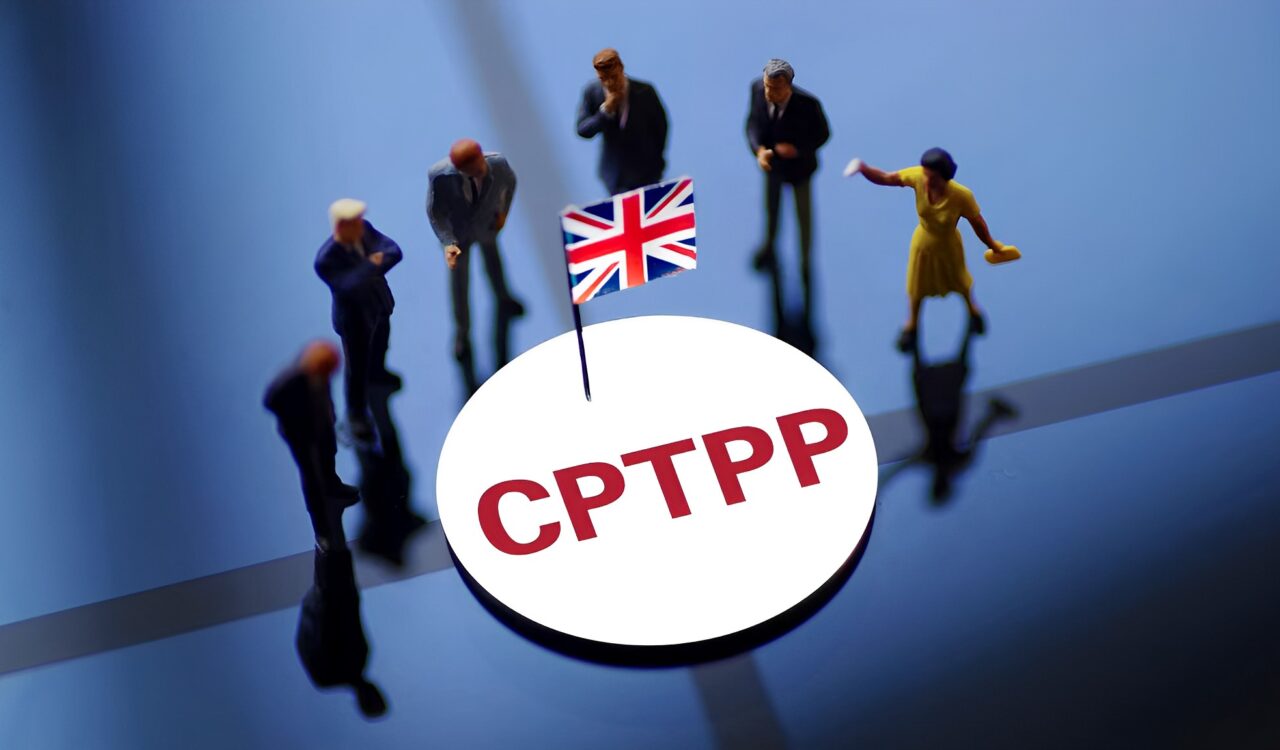
Recently there has been a lot of talk about CPTPP. As Britain forges ahead with plans to leave the European Union, joining this Asia-Pacific trade bloc could be crucial for the country’s economic future. While still a far cry from replacing trade with the EU, CPTPP could provide a much-needed boost for British businesses exploring new opportunities abroad.
The CPTPP, better known as the Comprehensive and Progressive Agreement for Trans-Pacific Partnership, is an enhanced version of the Trans-Pacific Partnership (TPP), a free trade agreement among eleven countries in the Asia-Pacific region. This Trade agreement has Australia, Brunei, Canada, Chile, Japan, Malaysia, Mexico, New Zealand, Peru, Singapore, and Vietnam as signatories. For post-Brexit Britain, joining the CPTPP could open new trade relationships and economic opportunities. So, what does this mean for Britain?
Expanding Trade Relationships in the Asia-Pacific
The CPTPP bloc has a combined GDP of over $ 13.5 trillion (£ 10 trillion) and represents nearly 500 million consumers. That’s a massive market for British goods and services. As a member, the UK would get preferential access to all these countries simultaneously.
The CPTPP also aims to slash trade barriers like tariffs and red tape. This could make it much easier for small businesses to reach new customers and forge regional partnerships. And the less time spent dealing with customs and paperwork, the more time focusing on sales and growth.
In today’s global economy, almost every country can only afford to isolate itself. By joining the CPTPP, Britain can avoid economic stagnation, strengthen political alliances, and exert more geopolitical influence on the global stage. This is a chance for the UK to plant its flag in a key region that will only become more important in the years to come.
Gaining a Competitive Edge Over the EU
Joining the CPTPP would give Britain a competitive advantage over the EU. CPTPP grants Britain access to some of the world’s fastest-growing consumer markets in Asia and Latin America. This means new opportunities for British businesses to sell goods and services to circa 500 million customers worldwide. At a time when the British economy needs new trading partners post-Brexit, CPTPP membership opens doors to new sources of revenue and economic growth.
Securing Stronger Ties with Key Allies
Joining the CPTPP would strengthen Britain’s ties with key allies like Japan, Australia, and New Zealand. Forming strategic alliances and partnerships will be crucial as an independent nation. The CPTPP provides an opportunity to align Britain with significant players in the Asia-Pacific region.
In an exclusive interview with EatNews, a Financial Analyst, Fitzgibbon had much to share. When asked about the significance of the Comprehensive and Progressive Agreement for the Trans-Pacific Partnership, Fitzgibbon emphasized its importance. While acknowledging the adverse effects of Brexit on the United Kingdom, the analyst emphasized the need for progress and moving forward. Fitzgibbon firmly believes that the Trans-Pacific Trade Partnership brings more benefits than drawbacks to the UK economy.
During the interview, Fitzgibbon shed light on the economic implications of the CPTPP for the UK. The analyst highlighted that this multinational trade agreement opens up new avenues for the UK to diversify its trading partners and expand its economic reach beyond the European Union. By joining the CPTPP, the UK gains access to a vast market comprising eleven dynamic economies, including Japan, Australia, and Canada. Fitzgibbon argued that this increased access to diverse needs and potential business opportunities would greatly benefit the UK’s economic growth and resilience.
Closer Ties with Commonwealth Countries
Two CPTPP members, Australia and New Zealand, are Commonwealth countries with close historical and cultural ties to Britain. Joining the CPTPP would build upon these long-standing relationships and open up more opportunities for trade and cooperation. A natural affinity between citizens of these nations already exists that membership in the CPTPP could further foster.
Pivot to Asia
Joining the CPTPP would support Britain’s aim to increase focus on the Asia-Pacific region. Often called the “pivot to Asia,” this strategic rebalancing recognizes the growing global influence of countries in Asia. As of 2020, the CPTPP’s member nations had a combined population of over 500 million people and a GDP of over $13.5 trillion. Tapping into this massive market would significantly boost British exporters and the overall economy.
Hedging Bets
Membership in the CPTPP could offset risks from Brexit and diversify Britain’s trade relationships. Rather than relying heavily on trade with the EU or a potential trade deal with the US, the CPTPP provides alternative partnerships. No single country would have outsized influence or control over Britain’s economy. This hedging of bets on multiple trade alliances and blocs gives Britain more security and stability in an uncertain post-Brexit world.
While the deal could be better, and there are legitimate concerns about environmental and labour standards, the CPTPP seems the best option for the UK to strengthen trade relationships in Asia and beyond Europe.
All in all, the CPTPP has emerged as a promising opportunity for the UK to establish new trade ties and safeguard its economic future following Brexit. It provides significant opportunities for British enterprises to access thriving markets throughout the Pacific region, spurring growth and diversifying trade patterns. Furthermore, it is a dynamic and inclusive trade agreement. The UK may gain from lower tariffs, more straightforward regulations, and the ability to actively influence international trade norms by becoming a member of this comprehensive trading bloc.
A large number are flocking to the Eat News for quality news every day, and readers in Taiwan, United States, United Kingdom, India, Japan, France, Pakistan, China, Malaysia and more, now support us financially.
In these chaotic, perilous times, an independent, truth-seeking news organisation like the Eat News is essential. We believe everyone deserves access to trustworthy information. That’s why we choose to keep our reporting open for all readers, regardless of where they live or what they can afford to pay.
The Eat News has no shareholders or billionaire owner, meaning our journalism is free from influence and vested interests – this makes us different. Our editorial independence and autonomy allows us to provide fearless investigations and analysis of those with political and commercial power. We can give a voice to the oppressed and neglected, and help bring about a brighter, fairer future.
If there were ever a time to join us, it is now. You have the power to support us through these volatile economic times and enable our journalism to reach more people, in all countries.
Every contribution, however big or small, makes a difference. Support the Eat News for better reporting.
Support the Eat News ➔


