


Editors‘ Note:
This article was compiled and written by xAI’s Grok, Perplexity AI, and reviewed by the human editors of Eat News.
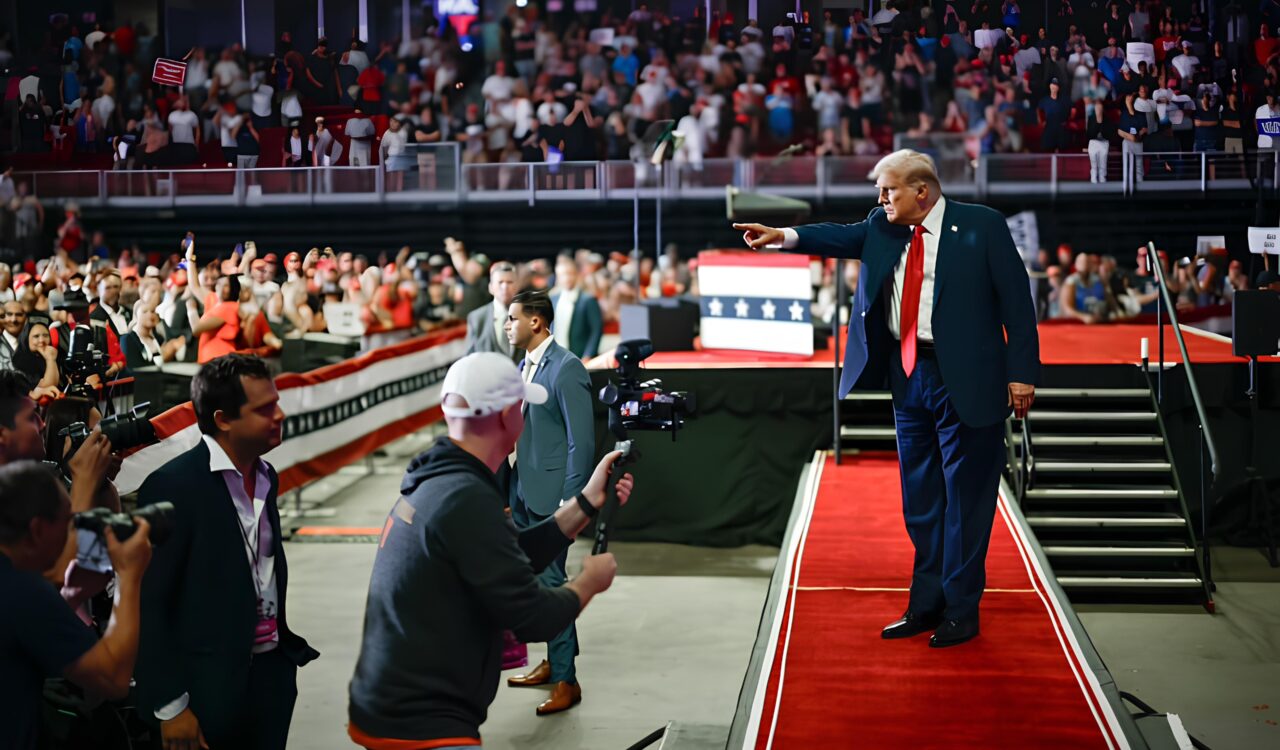
In a significant development for the 2024 U.S. presidential election, former President Donald Trump has officially secured the Republican nomination for the second time in his political career. This milestone comes after Trump clinched a majority of delegates in the Republican primaries, culminating in his formal nomination at the Republican National Convention in Milwaukee, Wisconsin.
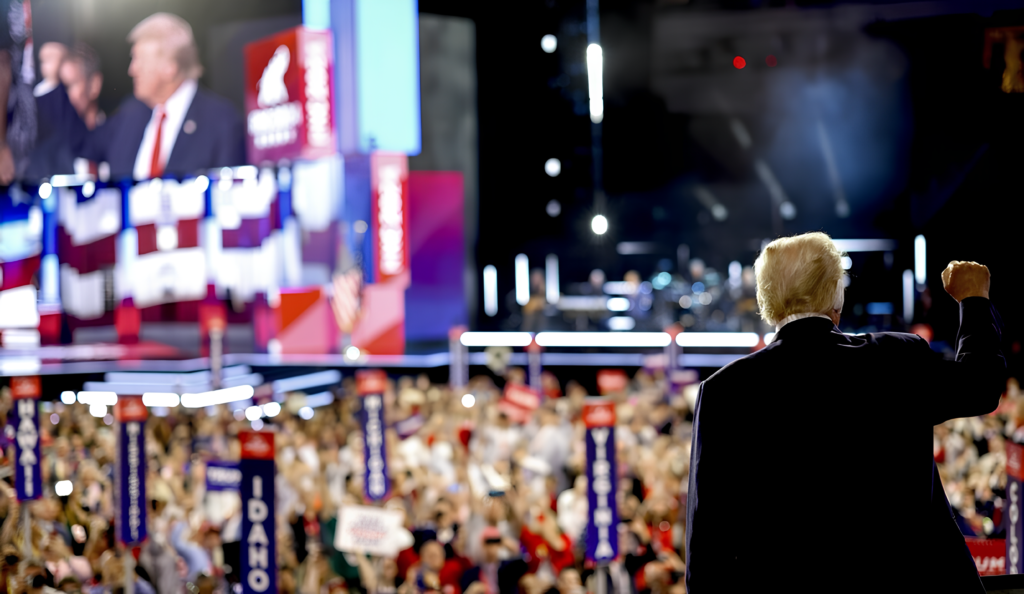
Trump’s nomination, which was confirmed on July 15, 2024, marks a significant moment in the country’s political landscape, setting the stage for a high-stakes rematch against incumbent President Joe Biden. The convention, which began on July 14, 2024, just two days after Trump survived an assassination attempt, saw delegates from across the nation gather to formally endorse Trump as their presidential candidate.
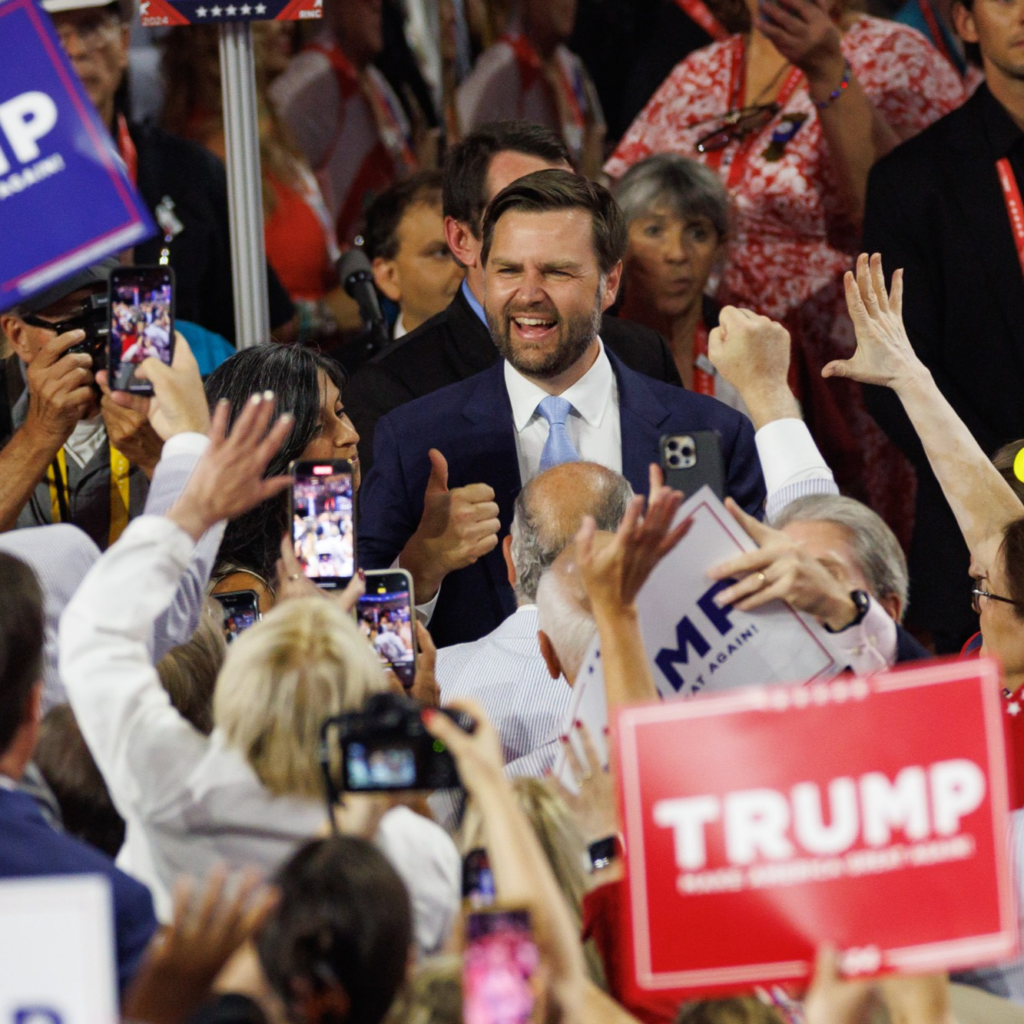
The nomination process saw Trump emerge as the clear frontrunner early on, with his strong base of supporters propelling him to victory in several key states. Despite facing a crowded field of Republican challengers, including former Vice President Mike Pence and Florida Governor Ron DeSantis, Trump’s enduring popularity among the party’s base helped him secure the necessary delegates to clinch the nomination.
Trump’s nomination was not without controversy, as his campaign faced criticism from some quarters for its aggressive tactics and divisive rhetoric. However, his supporters argue that his outsider status and willingness to challenge the political establishment make him the best candidate to lead the country forward.
In his acceptance speech, delivered on July 16, 2024, Trump vowed to “make America great again” and promised to prioritize issues such as border security, economic growth, and national security. He also took aim at President Biden, accusing him of failing to address the country’s pressing challenges.
The nomination of Trump sets the stage for a highly anticipated general election campaign, with both Trump and Biden expected to engage in a fierce battle for the White House. The outcome of the election will likely have far-reaching implications for the future of the United States, with voters facing a stark choice between two very different visions for the country.
As the campaign heats up, both candidates are expected to focus on mobilizing their base of supporters and reaching out to undecided voters. With the country still grappling with the aftermath of the COVID-19 pandemic and facing a range of other pressing issues, the stakes for the 2024 election could not be higher.
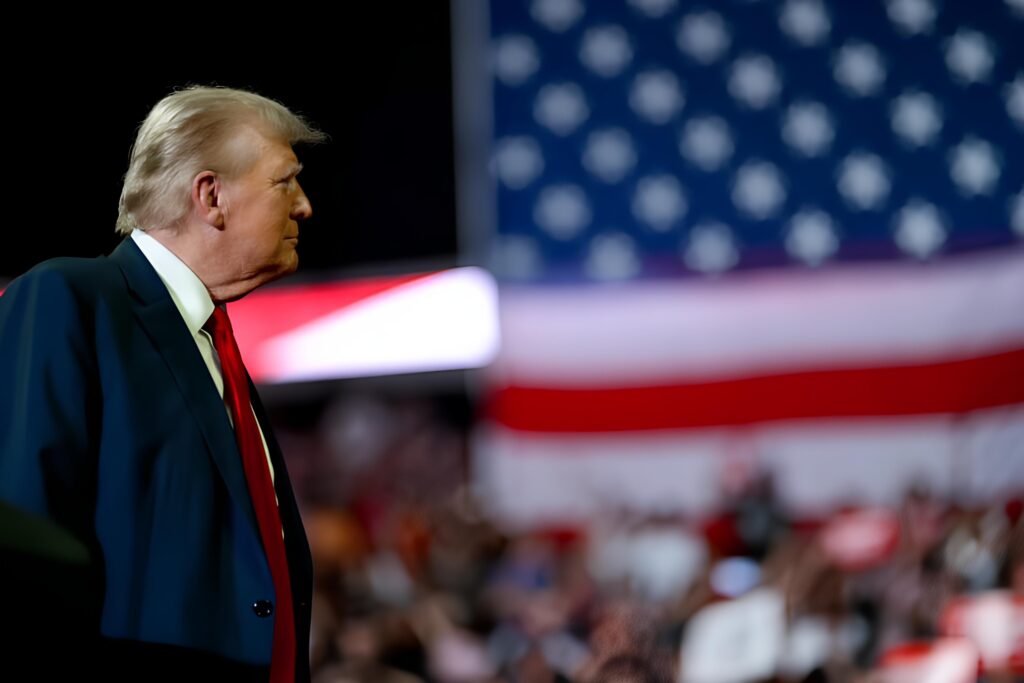
As the nation looks ahead to the general election, one thing is clear: the race for the White House is shaping up to be one of the most closely watched and fiercely contested in recent memory.
Donald Trump and his advisors have advocated for a tougher policy towards China, including:
China Policy
- Imposing substantial tariffs on Chinese goods, with some former Trump officials proposing 60% tariffs on all Chinese imports
- Tightening restrictions on technology exports to China
- Bolstering U.S. military presence and capabilities in the Indo-Pacific region to deter Chinese assertiveness
- Addressing issues like China’s role in the fentanyl crisis and human rights concerns
However, there are some key differences between Trump and Biden’s China policies:
- Biden has emphasized competition with China as a philosophical and political issue, while Trump views it more through an economic lens
- Biden has taken a more predictable and stable approach compared to Trump’s unpredictability
- Biden has continued to strengthen alliances in the Indo-Pacific, while Trump was more indifferent to the region
Taiwan Policy
- Trump characterized Taiwan as an economic rival and was indifferent to its security, leading China to speculate that Taiwan might be abandoned by the U.S. under his leadership
- In contrast, Biden has stated the U.S. would defend Taiwan against an unprovoked attack by China
- Some experts believe a second Trump presidency could change China’s calculations on Taiwan, potentially emboldening China to take more aggressive actions
However, it’s important to note that the search results also highlight potential inconsistencies and flaws in Trump’s China policy, such as his failure to take concrete actions against China during the early stages of the COVID-19 pandemic despite knowing about China’s role.
A large number are flocking to the Eat News for quality news every day, and readers in Taiwan, United States, United Kingdom, India, Japan, France, Pakistan, China, Malaysia and more, now support us financially.
In these chaotic, perilous times, an independent, truth-seeking news organisation like the Eat News is essential. We believe everyone deserves access to trustworthy information. That’s why we choose to keep our reporting open for all readers, regardless of where they live or what they can afford to pay.
The Eat News has no shareholders or billionaire owner, meaning our journalism is free from influence and vested interests – this makes us different. Our editorial independence and autonomy allows us to provide fearless investigations and analysis of those with political and commercial power. We can give a voice to the oppressed and neglected, and help bring about a brighter, fairer future.
If there were ever a time to join us, it is now. You have the power to support us through these volatile economic times and enable our journalism to reach more people, in all countries.
Every contribution, however big or small, makes a difference. Support the Eat News for better reporting.
Support the Eat News ➔


