

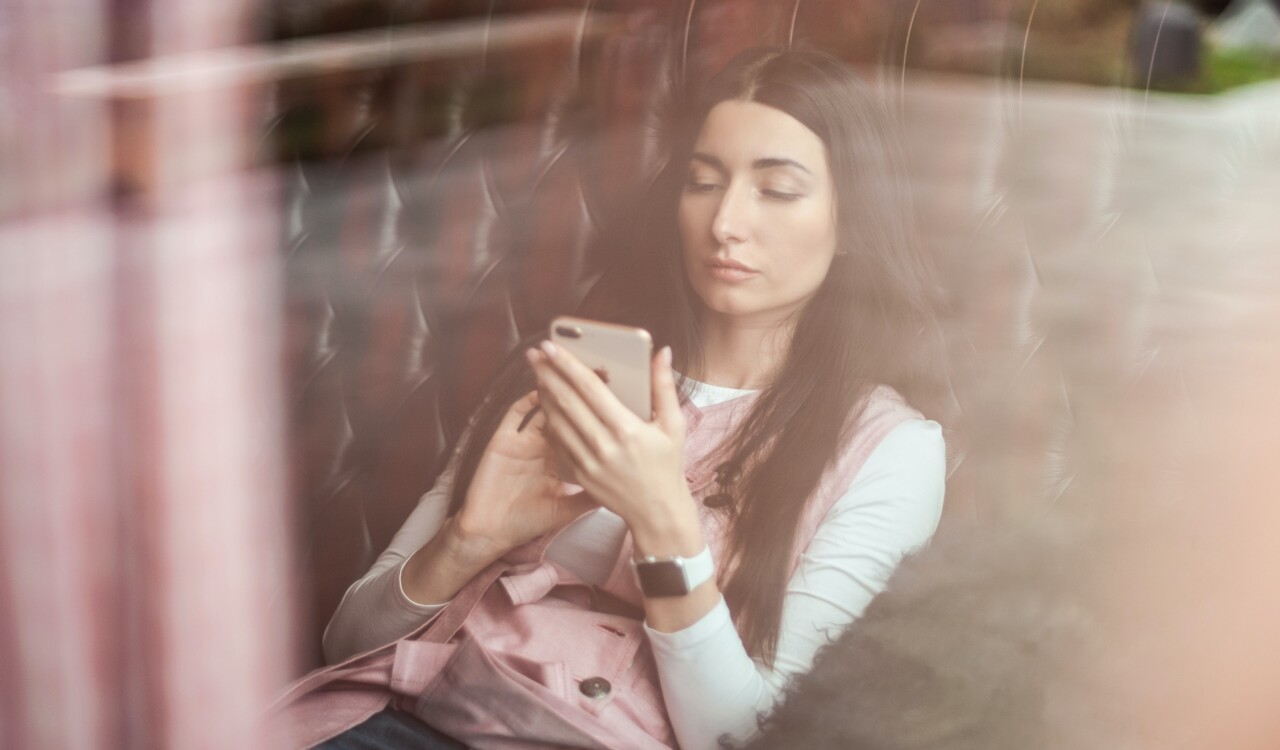
In contrast to other social platforms, Instagram is centered on looks and lifestyle. It’s no secret celebrities and Instagram models set unrealistic beauty standards by altering and photoshopping their photos. For young girls and children who are just discovering the digital world, low self esteem can develop after spending long hours staring at the refined photos they are bombarded with daily — as the majority of them may be unable to differentiate “Instagram vs. Reality.”
Turns out, Facebook was secretly aware of the damage that psychologists have warned the public about for years. The question now is: What will they do about it? An internal report was recently leaked about Facebook acknowledging that Instagram makes young users, especially teen girls, feel self conscious and insecure about their bodies. In the report obtained by the Wall Street Journal, Facebook researchers revealed during a slideshow presentation in March 2020 facts like, “We make body image issues worse for one in three girls” and “Teens blame Instagram for increases in the rate of anxiety and depression.”
The company’s own research was conducted through surveys with thousands of people over the past three years but brushed it all off. The head of public policy at Instagram, Karina Newton, responded to the allegations in a blog post on Tuesday saying, “While the story focuses on a limited set of findings and casts them in a negative light, we stand by this research. It demonstrates our commitment to understanding complex and difficult issues young people may struggle with.”
Although Instagram makes mainly adolescent girls feel worse about their bodies, it can affect boys too — as it ignites social comparison and puts pressure to not only match body shapes but social trends, wealth and success of others. Facebook’s researchers found that 40% of teen boys also experience negative social comparison. Another detrimental aspect is the lack of self control that young users develop that prevents them from logging off — even if they know the app is producing negative thoughts for them. Instagram, which is owned by Facebook, is used by about 22 million teens in the US daily and it is the most popular platform for young people. The company’s annual revenue mainly depends on the engagement of young users, which plays a role in why Facebook never publicly addressed any research that could result in teens leaving the app.
“While I don’t think social media was the sole factor in my 12-year-old’s eating disorder, I certainly think it was unhelpful,” said Lori Loria, who monitors her daughter’s phone with Bark and has it under her own Apple ID to keep track of any apps that are downloaded. Bark is a tool that helps parents keep their children safe online, by monitoring their activities and notifying parents when there is a potential issue like cyberbullying, sexting, suicide or other online threats on their child’s accounts. Loria gave her 12-year-old daughter a phone during lockdown so she could virtually communicate with her friends and family, “She felt isolated and we thought reaching out to people would be good for her.” She added, “Despite all my best efforts, she is now in an eating disorder facility trying to claw her way out of hell.”
While social media platforms help people form valuable connections, they also have certain content that can be triggering for someone with an eating disorder, such as “what I eat in a day” videos that push for diet culture, edited bikini pictures or excessive workout routines. The research concluded that Instagram creates a pressure to look perfect more than any other social media apps. The tendency to share only the best moments also creates a need for validation through follows, likes and views — which leads to an unhealthy mental state of depression, higher expectations of being “good enough” and increased body dissatisfaction.
However, Facebook still publicly denied the claims and believes the negative effects of social comparison can be outweighed by the positive aspects of Instagram, like connecting with friends and having a place to express themselves. Earlier this year, Norway became the first country to pass a law requiring influencers and advertisers to label retouched photos. In an effort to fight against unattainable body image standards, advertisements where a body’s shape, facial features, or skin is retouched will need a standardized label designed by the Norwegian Ministry of Children and Family Affairs. Some Instagram influencers have opened up on YouTube about their personal struggles with toxic self-comparison and how it affects their life choices — from getting plastic surgery, buying clothes only to post pictures in, to later finding freedom in posting natural selfies with acne or no makeup. While on TikTok, others encourage viewers to find confidence in their unique features or call out celebrities by comparing the real Getty images with the edited ones they post on Instagram. So far, the only features on the apps to help decrease mental health issues include TikTok’s Crisis Text Line that appears if they search for the term “suicide” and Instagram’s feature to hide comments and the total number of likes under posts.
Parents can help their early teens by building trust to help them feel comfortable asking for help when they encounter a problem online. Educating teens about the impacts of using social media can be useful for teaching them the differences between appearances and real life. As well as encouraging teens to spend face-to-face time with friends and being more active outside than on their phones. “We did not get our daughter a smart phone in middle school,” said Alysse Watson.
“We told her she could have Instagram when she turns 16, which she will be in a month.” Watson plans on allowing her daughter to spend only 20 minutes on the app daily without any private access. “To protect her, we will have access to her account, we will use Bark to monitor and she will only be able access Instagram on the home computer, which is in the living room.”
Suzanne Benjamin is another mother who delayed her child’s social media use and is also part of Bark’s Parenting in a Tech World Facebook group, where parents support one another and learn helpful ways to raise kids in the digital age. She suggests for other parents to engage in conversations, delay and limit social media time and to keep talking with their children even more. She added, “For my 16 year-old-daughter, she had success.”
In the case of Watson’s daughter, she has agreed to sign a contract on the rules and is aware that if any red flags arise, like any negative health effects or behaviors, she will lose access to the smartphone until she is older. “We hope that by delaying until now and with these rules and close monitoring, she will make good choices,” Watson said. “We have no regrets with delaying the phone or social media until now. It extended her childhood and that is a gift you cannot get back.”
During a congressional hearing in March, Mark Zuckerberg defended the company against criticism from lawmakers about potential plans to create a new platform for kids under 13, which the company announced is being paused after the research was exposed. When it comes to endlessly scrolling on Instagram, it can be easy for teens to forget that most of it may not be real. A healthier and balanced start for young people on social media is to curate their newsfeeds and follow content that actually ‘feeds’ them positive information — such as pages based on self-love or their favorite hobbies — to create a more meaningful online experience.
A large number are flocking to the Eat News for quality news every day, and readers in Taiwan, United States, United Kingdom, India, Japan, France, Pakistan, China, Malaysia and more, now support us financially.
In these chaotic, perilous times, an independent, truth-seeking news organisation like the Eat News is essential. We believe everyone deserves access to trustworthy information. That’s why we choose to keep our reporting open for all readers, regardless of where they live or what they can afford to pay.
The Eat News has no shareholders or billionaire owner, meaning our journalism is free from influence and vested interests – this makes us different. Our editorial independence and autonomy allows us to provide fearless investigations and analysis of those with political and commercial power. We can give a voice to the oppressed and neglected, and help bring about a brighter, fairer future.
If there were ever a time to join us, it is now. You have the power to support us through these volatile economic times and enable our journalism to reach more people, in all countries.
Every contribution, however big or small, makes a difference. Support the Eat News for better reporting.
Support the Eat News ➔


