

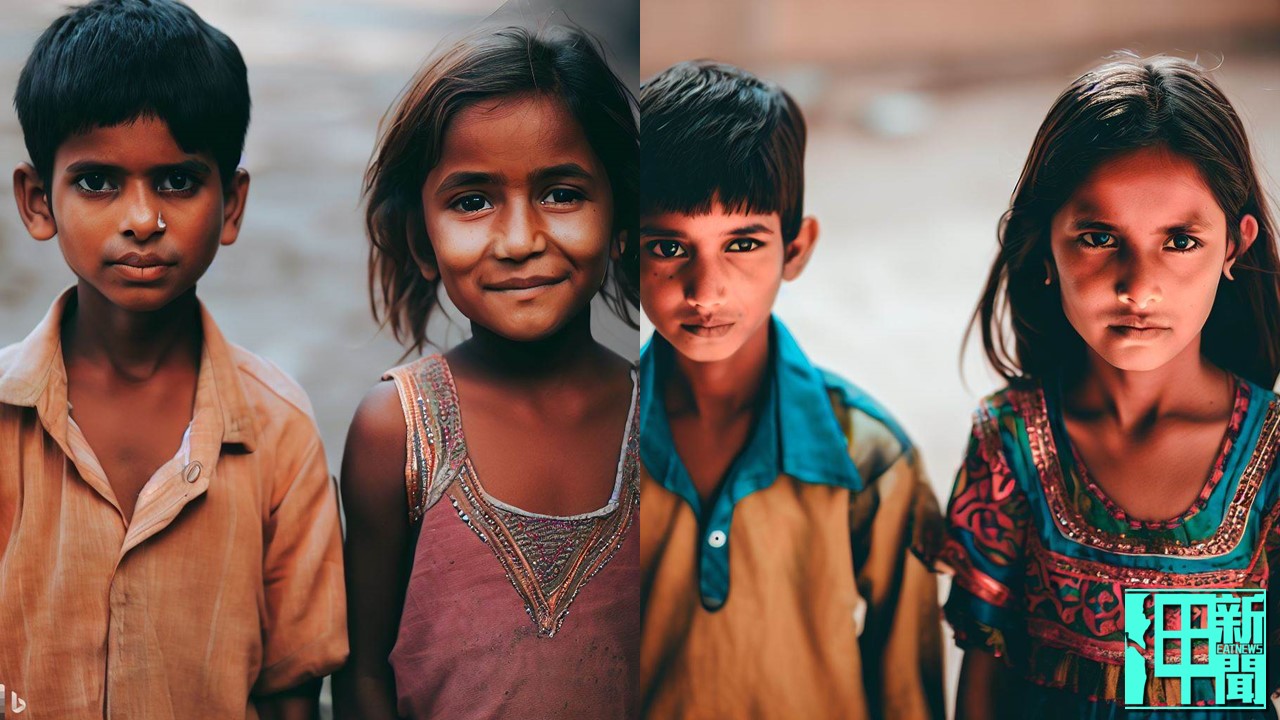
Census of India which commonly gets conducted once in every ten years, had been postponed in 2021, and we are still waiting. Started under British Viceroy Lord Mayo in 1872, the first complete census became public in 1881. It is a systematic process of acquiring, recording and calculating the population and the possible information about them. It discloses several details of literacy, employment, gender, race, age of the given population. Due to the pandemic, latest census got postponed and no new information has been released by the administration yet. Based on last census 2011, the urban metropolitan regions have witness huge population increase in in the last 10 years. Kerala has consistently ranked top in last few decades in terms of literacy. Furthermore, the information said India’s sex ratio is comparatively very low except few southern states and that few states are witnessing population growth either due to immigration or fertility rate.
As per the reported information, the limit for maintaining the status quo of borders at the administrative level has been extended till 30 June this year. That is, no change can be made in the boundaries of districts, towns and villages of state and Union territory during the census. Experts are assuming long delay in census because of upcoming elections next year along with registrar general’s current decision.
Expert Kapil Bhadauria said, ‘Pandemic has hugely affected countries, their system and the administrative process that are used in moving forward. Census is one of them. It requires sample surveys and calculations and sidelining the categories, subgroups and lot of other tasks to finally release complete census. Since the corona virus shut nation’s economy and the whole working system, unfortunately the completion could not be done.’ In addition he said, ‘It is an important part of a democracy and neglecting such tasks can become an obstacle in development for a nation.
A census briefly states the data around sex ratio, literacy rate, urbanized states, highest population, religion population that includes Hindu, Muslim, Sikh, Christian, Buddhist, Jain, population types like Schedule caste, schedule tribe, transgender, disability, marital status and housing data such as slum population, houseless and house assets. It also enquires occupation. And later, the same principle information becomes parameters for an administration to measure before taking any concerned step. Mr. Bhadauria shared with EAT news that sample surveys are always on run. ‘It is not wrong to assume that sample surveys are still happening on ground for the census to complete. Because these surveys always provides useful information and keeps updating administration. Also, these surveys commonly get conduct on smaller scales and in small groups that illustrates specific areas and present situation’, he said.
Sample surveys provide an overview to the administration that helps them to plan a policy. With not so accurate findings, it could not be termed as a final survey or can be trusted as a credible source for representation at national level. Mr. Bhadauria cleared his own statement and described, ‘I do said sample surveys provides update and information but at the smaller level. For example if administration is working in an education sector and wants to be aware about latest development on ground level. But if we are presenting census with overall information at national level, administration cannot work on the basis of that findings. It will not be enough.’
Minister of State for Home Affairs Nityanand Rai in last session mentioned about digital census for the first time. Administration has made technology developments on this, which will deal with correct information on sex, age, employment and social details of more than millions of citizens in India. It will be an application based process that will require an organized portal. According to Mr. Bhadauria, there are several disadvantages for a developing country to not have latest population related data. He said, ‘As a democratic country, India holds certain restrictions to conduct census as it provides transparency between citizens and administration, it informs the system about population crisis and societal information or any other matter concerns communities, it provides clear data of migration, employment and convince administration to take actions upon.’
We were expecting new census in 2021, how much work has been done by the time pandemic hit? ‘In January 2020, first stage of collecting information started that includes data of house or is also called housing data. So you can say, no hardcore information is received by authorities to work on’, said expert Mr. Bhadauria. Census of Caste population is not mandatory and is nowhere written in Indian constitution to be followed strictly, taking in account Centre only conduct census of SC (Schedule caste) and ST (Schedule Tribe). But people and other leaders have now started asking for mandatory caste population to include it in census. And Bihar has become the first state in country to consider it.
Casteism has been a problematic matter in India since ages. Its disturbing tradition triggered several individuals, activists and organizations to raise their voice against caste discrimination. Census in India that was postponed due to pandemic is still not started which could be a trouble for developing India.
A large number are flocking to the Eat News for quality news every day, and readers in Taiwan, United States, United Kingdom, India, Japan, France, Pakistan, China, Malaysia and more, now support us financially.
In these chaotic, perilous times, an independent, truth-seeking news organisation like the Eat News is essential. We believe everyone deserves access to trustworthy information. That’s why we choose to keep our reporting open for all readers, regardless of where they live or what they can afford to pay.
The Eat News has no shareholders or billionaire owner, meaning our journalism is free from influence and vested interests – this makes us different. Our editorial independence and autonomy allows us to provide fearless investigations and analysis of those with political and commercial power. We can give a voice to the oppressed and neglected, and help bring about a brighter, fairer future.
If there were ever a time to join us, it is now. You have the power to support us through these volatile economic times and enable our journalism to reach more people, in all countries.
Every contribution, however big or small, makes a difference. Support the Eat News for better reporting.
Support the Eat News ➔


